Speech Roosevelt
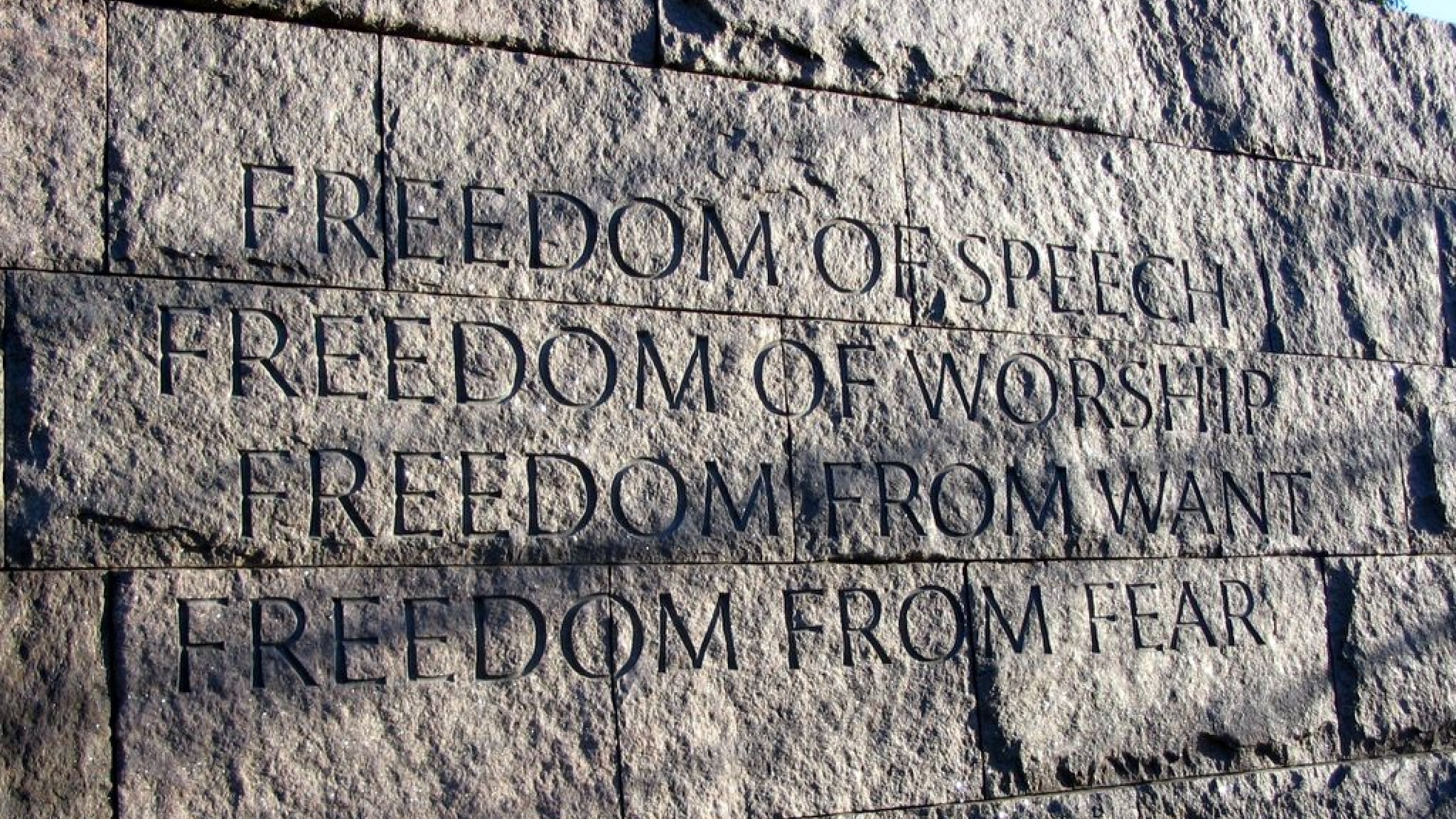
On January 6, 1941, President Roosevelt gave his vision for a humane world in a speech to the United States Congress. He spoke in simple, clear language about a country that would commit itself – all over the world – to the Four Freedoms:
- Freedom of Speech: the best defense against destruction of democracy;
- Freedom of Worship: our weapon against intolerance and fanaticism;
- Freedom from Want: the promise to eradicate famine, poverty and epidemics;
- Freedom from Fear: a freedom dependent on collective security, a concept propagated by the US within the United Nations.
Freedom of Speech
Freedom of speech or freedom of expression is the freedom of citizens to express their beliefs in public without being punished by the state for their opinions or having to endure reprisals from other citizens. It also includes the right to freely gather and disseminate information, as journalists do. In President Roosevelt's view, freedom of speech was an absolute prerequisite for democracy. It is a fundamental right for everyone, because every opinion is important. Everyone is allowed to express themselves – for or against something. However, there are limits: for example, you are not allowed to incite hatred or violence.
Freedom of Worship
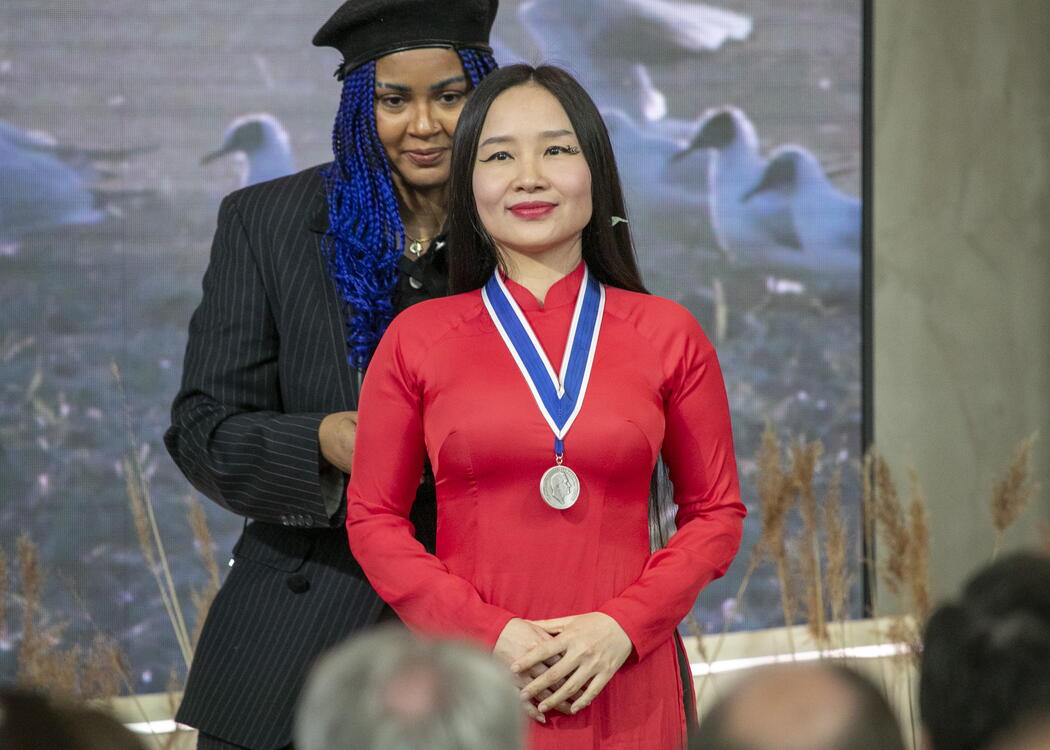
President Roosevelt believed that freedom of worship was essential in a free world. You are free to choose your own religion or not to believe in anything at all. This makes society more tolerant and diverse. Whether you wear a cross or a kippah, paint your body with henna or wear a headscarf – let's respect each other. Freedom of worship means that you can believe what you want and express that belief, for example in your clothing, religious customs and the places you visit. Think, for example, of wearing a headscarf, praying at certain times of the day or visiting a church or mosque.
Freedom from Want
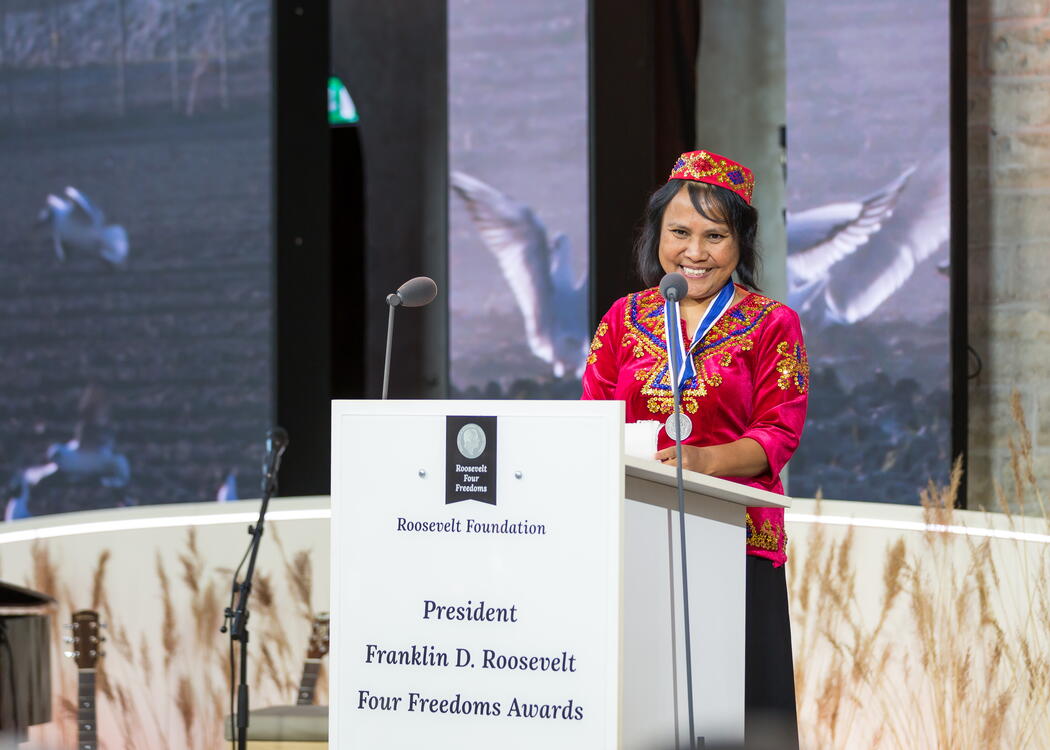
The right to freedom from want is also referred to as the right to an adequate standard of living. This is included in the Universal Declaration of Human Rights. It concerns economic, social and cultural rights, among other things. President Roosevelt wanted to achieve this form of freedom primarily through free trade and a minimum standard of living for everyone on earth. This means that you have enough food, clean drinking water and a roof over your head to live, learn or work. This freedom also concerns the right to education and good healthcare. In short: all basic needs.
Freedom from Fear
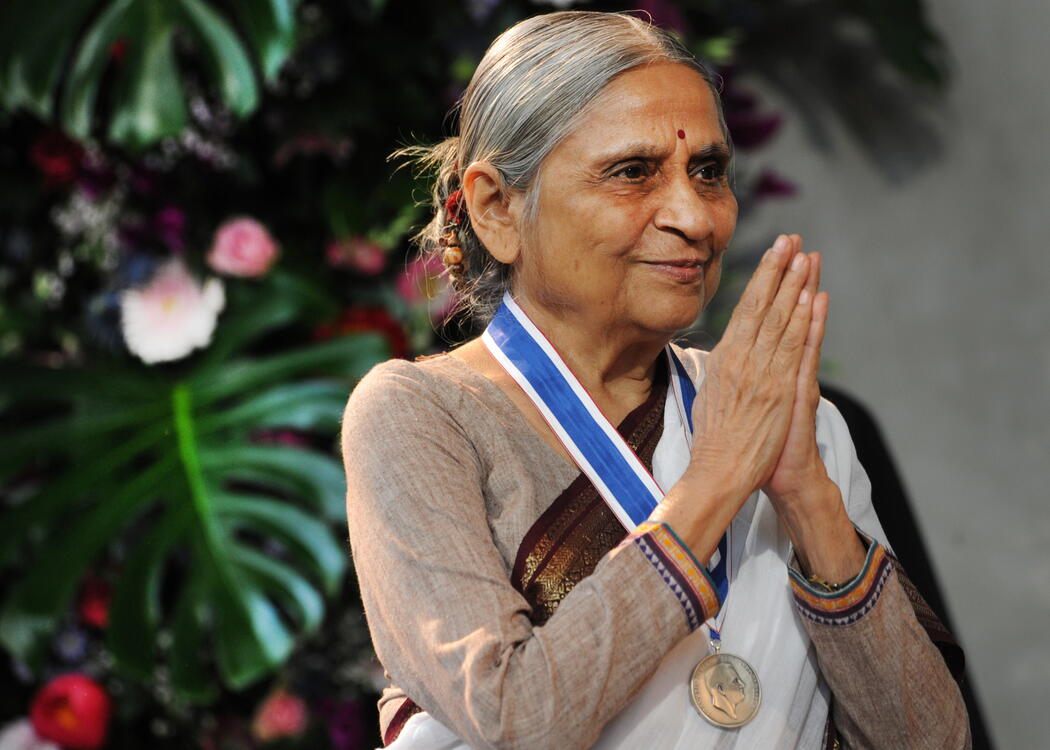
The right to freedom from fear – also known as freedom from anxiety – is one of the four freedoms that is considered the basis for a world in which all global citizens can be free and safe. President Roosevelt linked this freedom to security. He believed that no one on earth should have to fear oppression, intimidation or violence. Feeling safe is necessary in order to develop, express yourself and be yourself. Roosevelt advocated reducing global arms possession in order to prevent wars.
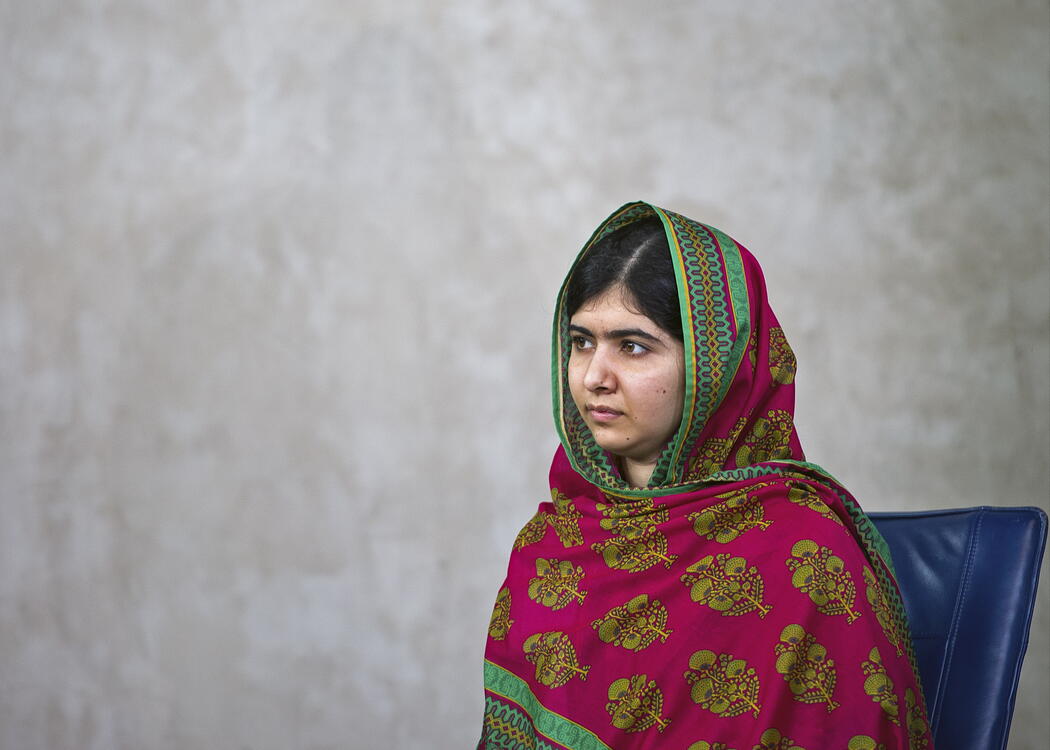
These words and concepts were very personal to President Roosevelt. He wrote the Four Freedoms himself and delivered a clear, simple speech to tell the American people that the isolation of the United States was over and that the country had no choice but to use its enormous clout to defeat the fascist dictators. Franklin Roosevelt wanted not only his countrymen, but all countries in the world to see that the Four Freedoms justified the fight, were worth the sacrifice, and necessitated a victory.
About Franklin D. Roosevelt
Who was this leader who Winston Churchill said "is the noblest man I have ever known"? Franklin D. Roosevelt gave a voice to the American people during the worst crises of the last century. He led America out of the hopelessness of the Great Depression. He brought us victory in World War II. He was elected President of the United States four times. Thanks to his temperament and talent, his energy and intuition. Franklin Roosevelt was prepared for what was to come. He was a breath of fresh air in American politics – vital, confident, optimistic, warm and cheerful. He was also incredibly courageous on a personal level. He is the only person in recorded history who was elected leader of his people when he was unable to stand or walk without assistance. At 39 he got polio, a serious infectious disease caused by the polio virus. The pain of his struggle is hard to comprehend—learn to move again, stand, depend on the physical support of others—but never despair, feel no self-pity and do not lose heart. He gave the same courage to his country at a time when the need was unprecedented. He turned fear into faith and social justice became government policy under his leadership.
We're talking about a time when you could still become a hero, when idealism was admired and commitment to the public good was the highest calling. This was also the period in which Adolf Hitler took the future to himself. President Roosevelt warned the world to isolate the aggressors. He made America the textbook example of democracy. He was the commander in chief of the greatest military power in history, the creator of the alliance between the Allies, who eventually won the war, the father of the nuclear age. He was the driving force behind the blueprint for the post-war world. The vision of the United Nations, the commitment to collective security, the determination to end colonial rule, the economic plan for a prosperous world in which all countries have access to resources and trade—all this is Franklin D. Roosevelt's legacy.
The Cold War blocked the fulfillment of his dreams for a better world. Now it's over. We see that expectations are disappointed. We see old rivals face to face again. Some question whether democracies can meet this challenge. What we need is patience, discipline and courage to rise to the challenge and win the battle. The Four Freedoms are more relevant than ever.
A Kansas newspaper editor, after hearing the Four Freedoms speech in January 1941, noted that “the American people through their President have given the world a new Magna Carta of democracy.” “The Four Freedoms,” said William Allen White, “herald a new world era. An important moment, an important goal and an important man have united.”
The editor in Kansas was right. President Roosevelt's words live on, and each succeeding generation must hold onto its dream, understand it, believe in it, work for it, and fight for our freedom with new vigor and tenacity.